🐢 Premium Tortoise for Sale: Expert buying Guide
Finding a turtle up for sale requires greater than searching listings it demands understanding species-specific requirements, legal considerations, and ethical sourcing practices. Whether you're looking for a cream color sulcata turtle available or looking into where to purchase tortoise online, making an educated decision makes sure both your success as a caretaker and the wellbeing of these exceptional reptiles. With proper varieties option and respectable sourcing, tortoises come to be 50+ year companions that grow in captive environments. This thorough overview strolls you through every little thing from species choice to environment configuration, helping you browse the turtle market with confidence. Comprehending Different Tortoise Species Available Popular Species for First-Time Keepers Russian Tortoises stay one of the most beginner-friendly option, getting to 8-10 inches and adapting well to indoor/outdoor rooms. Their moderate dimension and sturdy nature make them excellent starter tortoises. Greek Tortoises provide similar advantages with a little various care demands, preferring drier problems and getting to comparable adult sizes. Premium and Specialty Species When seeking an aldabra turtle available for sale, recognize you're dedicating to among the globe's biggest turtle types. These giants get to 350+ extra pounds and require considerable exterior space in suitable environments. The emitted tortoise offer for sale represents among the most aesthetically sensational varieties, with geometric shell patterns that make them extremely looked for after. However, they're seriously threatened and call for CITES documents for lawful possession. For enthusiasts seeking individuality, a real albino tortoise available commands costs prices due to extreme rarity. These hereditary variants lack melanin completely, presenting pale yellow or white tinting with pink eyes. The cream color sulcata tortoise for sale showcases a leucistic shade morph of the African spurred turtle, featuring cream-colored coverings instead of normal brown tones. Sulcatas expand to 100+ pounds and require huge exterior units in warm environments. Vital Factors Before Buying a Tortoise Dimension and Space Requirements. Consider adult size, not hatchling dimensions:. Small species (6-10 inches): Russian, Greek, Egyptian. Tool species (10-18 inches): Redfoot, Hermann's. Huge varieties (18-30+ inches): Sulcata, Leopard, Aldabra. A Russian turtle needs minimal 4x8 feet of floor area, while sulcatas require 100+ square feet outdoors. Life-span Commitment. Tortoises consistently outlive their initial owners:. Most varieties: 50-80 years. Large types: 80-150+ years. Record holders: 180+ years recorded. This isn't an animal it's a multi-generational duty calling for estate preparation consideration. Climate Compatibility. Suit species to your geographic location:. Mediterranean species (Greek, Hermann's): Tolerate cooler winters. Exotic species (Redfoot, Yellowfoot): Require year-round warmth and humidity. Desert varieties (Sulcata, Leopard): Need warm, dry problems. Indoor heating comes to be cost-prohibitive for large varieties in cold environments. Where to Buy Tortoise Online Safely. Reliable Breeder Characteristics. Look for these non-negotiable markers when you get tortoise online:. ✅ Detailed health warranties with details arrival condition terms. ✅ Photographic proof of the precise pet you're acquiring. ✅ Transparent parentage information revealing captive-bred lineage. ✅ Responsive interaction answering species-specific concerns. ✅ Proper documents consisting of wellness certificates and CITES papers when relevant. Red Flags to Avoid. Costs significantly below market price. Obscure or supply pictures as opposed to individual animal shots. Aversion to supply references or testimonies. Pressure tactics or limited-time offers. Lack of expertise about standard care needs. Legal Compliance Verification. Before completing any kind of turtle offer for sale acquisition:. Confirm CITES standing for protected types (Radiated, Ploughshare, Egyptian). Examine state guidelines— some states ban specific types. Request documentation showing lawful captive breeding. Validate interstate delivery validity for your location. Never buy wild-caught animals or those without proper paperwork. Wellness Assessment for Tortoise Purchases. Aesthetic Inspection Checklist. Healthy turtles display:. Clear, intense eyes without discharge or swelling. Smooth covering complimentary from pyramiding, soft places, or discoloration. Energetic, alert behavior with responsive movement. Even breathing without hissing or mouth gaping. Tidy nares (nostrils) and vent area. 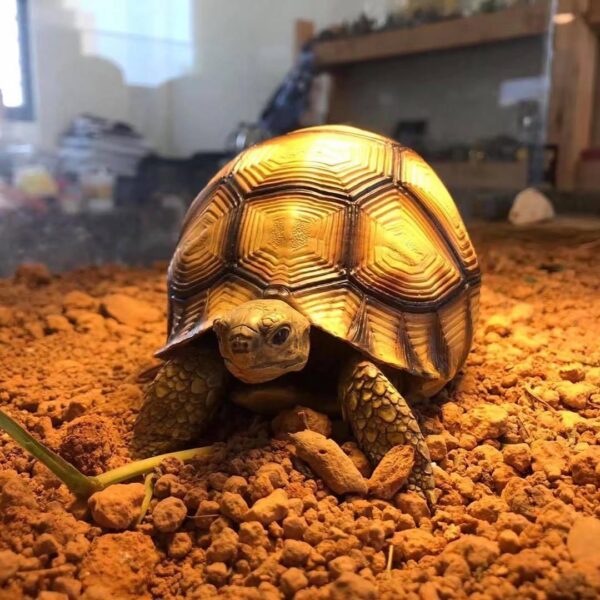 Caution indications include:. Sleepiness or absence of feedback to stimulations. Runny nose or bubbles from nostrils. Shell rot, fractures, or abnormal appearance. Overgrown beak or warped arm or legs. Visible bloodsuckers or skin lesions. Pre-Purchase Questions. Ask vendors these critical inquiries:. What is the hatch date and exact age? What specific diet plan has the turtle been obtaining? Has it been checked out by a reptile vet? What are the moms and dads' sizes and health and wellness background? What guarantee covers health problems found within 72 hours? Cost Breakdown: Beyond Purchase Price. Preliminary Investment. Hatchling Russian tortoise: $150-$ 300. Grown-up sulcata turtle: $300-$ 600. Emitted tortoise (with papers): $2,000-$ 5,000+. True albino morphs: $5,000-$ 15,000+. Configuration Expenses. Crucial tools costs:. Room (custom-made or commercial): $200-$ 2,000. UVB lights system: $100-$ 300. Burner: $50-$ 200. Substrate and hides: $50-$ 150. Water and food dishes: $20-$ 50. Continuous Annual Costs. Quality food and supplements: $200-$ 500. Electrical energy for heating/lighting: $150-$ 600. Yearly vet appointment: $100-$ 300. Substratum replacement: $100-$ 200. Large varieties increase all these figures considerably. Establishing the Ideal Tortoise Habitat. Temperature Gradient Requirements. Produce appropriate thermal zones:. Basking place: 95-105 ° F( species-dependent). Warm side: 85-90 ° F. Cool side: 75-80 ° F. Nighttime drop: 65-75 ° F. Use high quality thermostats at multiple places, never depending on guesswork. UVB Lighting Essentials. Turtles call for 10-12 hours daily of UVB direct exposure for:. Calcium metabolic process and covering advancement. Vitamin D3 synthesis. Natural behavioral patterns. Immune system function. Replace light bulbs every 6-12 months despite visible light outcome UVB breaks down before visible light fails. Substratum Selection. Species-appropriate options:. Desert species: Topsoil/sand mix( 70/30 proportion). Mediterranean varieties: Coconut coir/cypress compost blend. Tropical types: Organic topsoil with high dampness retention. Prevent: Cedar, ache( hazardous oils), gravel ( impaction danger ), newspaper (insufficient humidity). Feeding Your Tortoise Properly. Species-Specific Diets. Herbivorous varieties( Sulcata, Greek, Russian):. 80% dark leafy eco-friendlies( dandelion , collard, turnip environment-friendlies ). 15% vegetables( squash, bell pepper, cactus pads). 5% edible flowers( hibiscus, rose petals). Omnivorous types (Redfoot, Yellowfoot): . 70% plant issue. 20 %fruits. 10% healthy protein( insects, dampened low-fat canine food). Supplements Required. Dust food with:. Calcium powder( without D3): 4-5 times once a week. Calcium with D3: Once once a week for indoor tortoises. Multivitamin: Once weekly. Over-supplementation causes health concerns much more isn't much better. Specialist Opinion: Common Buyer Mistakes. After 15+ years reproducing and placing tortoises, I've observed reoccuring errors that endanger pet welfare:. The most significant error? Purchasing based on look as opposed to way of life compatibility. That charming sulcata hatchling ends up being a 100-pound lawnmower calling for outside room most customers do not have. Second most usual? Underestimating arrangement costs. Purchasers invest $200 on a tortoise, then balk at$ 500 for proper tools, attempting poor housing that causes health issue costing thousands in veterinary treatment. Third? Impulse purchases without research. Tortoises aren't starter family pets they're specialized reptiles with precise demands that must be met non-negotiably. The successful keepers? They research for months, call multiple dog breeders, prepare environments before animals show up, and spending plan genuinely for decades of treatment. Final thought. Discovering the best tortoise offer for sale entails mindful types selection, detailed breeder vetting, and honest analysis of your long-lasting dedication ability. Whether you choose to acquire tortoise online or through neighborhood breeders, focus on wellness, lawful compliance, and species-appropriate care prep work. These ancient reptiles award correct husbandry with years of fascinating friendship yet just when keepers match types to their real capacities instead than wishful reasoning. Start your trip educated, prepared, and excited for the impressive experience of turtle keeping. Frequently Asked Question Schema Section. Q: What is the most effective turtle for beginners? A: Russian tortoises are excellent for novices because of their manageable adult dimension( 8-10 inches), sturdy nature, and adaptability to numerous climates. They require less space than larger species and endure temperature level variations better than tropical types. Q: How much does it set you back to purchase a tortoise online? A: Prices vary from $150-$ 300 for typical species like Russians to $2,000-$ 5,000+ for unusual species like radiated turtles. True albino morphs can set you back$ 5,000-$ 15,000. Budget plan an additional$ 500 –$ 2,000 for appropriate habitat arrangement. Q: Are aldabra tortoises lawful to have? A: Aldabra tortoises are lawful in the majority of U.S. states but call for CITES documents confirming captive-bred beginning. Inspect your details state laws, as some territories limit or outlaw possession of huge tortoise species. Q: What papers should feature a tortoise purchase? A: Reputable vendors supply a health guarantee, hatch certificate revealing captive-bred standing, care directions, and CITES licenses for secured types. Always demand photographic proof of the specific animal you're purchasing. Q: Can I keep a sulcata turtle indoors year-round? A: While hatchlings can live inside your home temporarily, grown-up sulcatas (100+ extra pounds) call for big outside rooms in cozy environments. Interior heating costs for grownups end up being prohibitively costly, and they need considerable room to prosper effectively.